Frequent charging can interrupt training data and make everyday health tracking less convenient. The best heart rate monitors with long battery life combine dependable readings with battery performance suited to your routine.
This roundup compares chest straps, armbands, fitness bands, and smartwatches across battery life, connectivity, comfort, water resistance, and compatibility.
Best 10 Heart Rate Monitors with Long Battery Life Picks for 2026
Best Everyday Fitness Band

- Up to 21 days of battery life
- Bright 1.72-inch AMOLED display
- Tracks heart rate, sleep, blood oxygen, and sports
Best For: Everyday wellness and fitness tracking
Best Advanced Training Chest Strap

- Up to two months of rechargeable battery life
- Tracks heart rate, HRV, and running dynamics
- Records workouts when a watch cannot be worn
Best For: Data-driven athletes and Garmin users
Best Ultra-Long Battery Sensor
GEOID HS500 Heart Rate Monitor

- Up to 800 hours per CR2032 battery
- ANT+ and Bluetooth connectivity
- IP67 design for exercise use
Best For: Low-maintenance cycling, running, and indoor training
Best Long-Term Garmin Strap

- Up to one year of replaceable-battery life
- Transmits heart rate and HRV data
- Machine-washable strap with 3 ATM water rating
Best For: Garmin users seeking low-maintenance heart-rate tracking
Longest-Lasting Chest Strap

- Up to 500 hours from a CR2032 battery
- ECG algorithm for stable heart-rate data
- Bluetooth and ANT+ connectivity
Best For: Frequent training with minimal battery maintenance
Feature-Packed Watch

- 24/7 heart-rate and sleep monitoring
- 120-plus sports modes and activity tracking
- Calls, messages, and daily smart tools
Best For: All-day wellness tracking and smartwatch features
Comfortable Rechargeable Armband

- 38 hours of active use per charge
- Automatic wear detection and power control
- Pairs with up to three Bluetooth devices
Best For: Workout tracking with a soft, washable armband
Best Long-Life Chest Strap
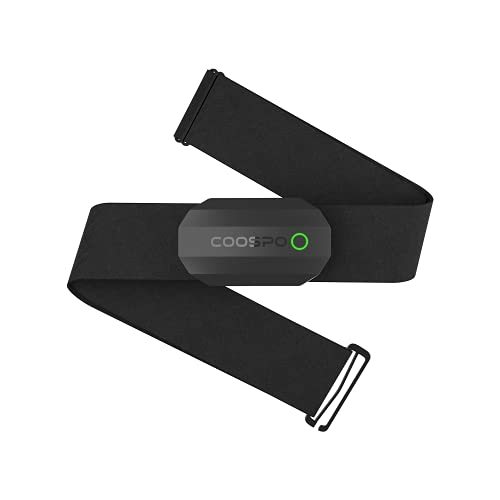
- Up to 300 hours per CR2032 battery
- Bluetooth and ANT+ connectivity
- IP67 water resistance
Best For: Multi-device fitness and cycling workouts
Best Long-Life Smartwatch

- Advertised battery life up to 30 days
- 24/7 heart rate, sleep, and stress tracking
- 100+ sports modes with IP68 waterproofing
Best For: Everyday health tracking and smartwatch features
Best Value Long-Life Strap
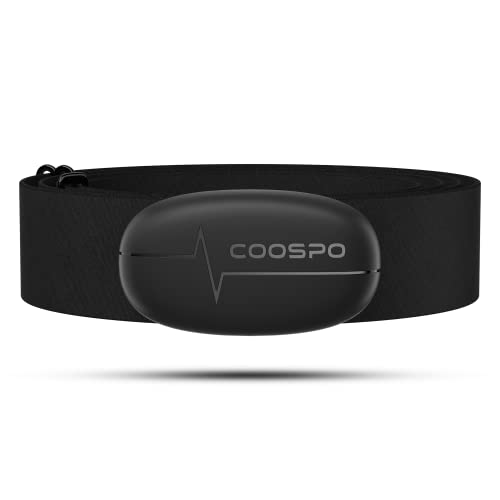
- Up to 300 hours with a changeable battery
- Bluetooth and ANT+ support
- Compatible with apps and gym equipment
Best For: Cycling, gym equipment, and app-based workouts
Best Everyday Fitness Band – Xiaomi Mi Smart Band 10
The Xiaomi Mi Smart Band 10 is a practical choice among heart rate monitors with long battery life, offering up to 21 days per charge. Its bright AMOLED display, activity tracking, sleep monitoring, and multi-sport features make it well suited to everyday wellness tracking.
Best For: Everyday fitness, sleep tracking, swimming, and users who want a compact tracker with infrequent charging.
Pros:
- Up to 21 days of battery life and fast charging.
- Large 1.72-inch AMOLED display with up to 1500 nits HBM brightness.
- Tracks heart rate, sleep, blood oxygen, and multiple sports.
- Water resistant to 50 meters with a 5ATM rating.
Cons:
- No built-in GPS; it relies on a compatible smartphone for connected features.
- Xiaomi Fit officially supports metric measurements, with imperial display requiring a third-party connection.
The Mi Smart Band 10 prioritizes convenience and broad wellness features over advanced standalone training tools. It is a strong fit if long runtime and an easy-to-read screen matter most.
Best Advanced Training Chest Strap – Garmin HRM 600
The Garmin HRM 600 stands out among heart rate monitors with long battery life for athletes who want detailed performance data without wearing a watch. Its rechargeable battery lasts up to two months, while Garmin ecosystem support adds heart rate, HRV, running dynamics, and workout-recording capabilities.
Best For: Data-driven runners, Garmin users, team-sport athletes, and swimmers who need stored workout data.
Pros:
- Up to two months of rechargeable battery life.
- Transmits real-time heart rate and HRV data to compatible devices and apps.
- Supports running dynamics such as stride length and vertical oscillation with a compatible smartwatch.
- Can record workouts when a watch cannot be worn and supports swim heart-rate data.
Cons:
- Advanced running metrics require a compatible Garmin smartwatch.
- The strap requires charging rather than using a replaceable battery.
The HRM 600 is the most feature-focused option here for athletes already using compatible Garmin equipment. Its long rechargeable runtime and onboard workout recording make it more versatile than a basic sensor.
Best Ultra-Long Battery Sensor – GEOID HS500 Heart Rate Monitor
The GEOID HS500 is a straightforward chest-strap pick among heart rate monitors with long battery life, rated for up to 800 hours on a replaceable CR2032 battery. ANT+ and Bluetooth connectivity lets it work with compatible phones, apps, sports watches, bike computers, treadmills, and training platforms.
Best For: Cyclists, runners, and indoor-training users who want very long battery life and broad ANT+/Bluetooth compatibility.
Pros:
- Up to 800 hours of battery life with a replaceable CR2032 cell.
- Supports both ANT+ and Bluetooth connections.
- IP67 waterproof design for many exercise environments.
- Movement- and sweat-focused algorithms are designed to improve heart-rate accuracy.
Cons:
- Swimming is not recommended.
- It does not provide onboard display-based workout feedback.
The HS500 is compelling when minimizing battery changes is the priority. Its replaceable battery and wide connection support make it a flexible, low-maintenance sensor for structured workouts.
Best Long-Term Garmin Strap – Garmin HRM 200
The Garmin HRM 200 is a simple, durable choice among heart rate monitors with long battery life, offering up to one year from a user-replaceable battery. It sends real-time heart rate and HRV data to compatible Garmin devices, fitness equipment, apps, and smartphones.
Best For: Garmin users and exercisers who want reliable chest-strap heart-rate and HRV data with minimal maintenance.
Pros:
- Up to one year of battery life with a replaceable battery.
- Transmits real-time heart rate and HRV data to compatible devices and apps.
- Machine-washable strap supports easier cleaning.
- Durable design with a 3 ATM water rating.
Cons:
- It is a sensor-and-strap system rather than a standalone display device.
- Compatibility is centered on compatible Garmin devices, equipment, apps, and smartphones.
The HRM 200 offers a practical balance of long runtime, replaceable power, and Garmin compatibility. Choose it over the HRM 600 if you need core heart-rate and HRV transmission without the latter’s advanced workout-recording features.
Longest-Lasting Chest Strap – CYCPLUS H2Pro
If you want heart rate monitors with long battery life for regular training, the CYCPLUS H2Pro stands out with up to 500 hours of operation from a CR2032 coin-cell battery. Its chest-strap design uses an ECG algorithm and supports both Bluetooth and ANT+ connections.
Best For: Cyclists, runners, and fitness enthusiasts who want precise chest-based tracking without frequent battery changes.
Pros:
- Up to 500 hours of battery life, potentially covering nearly three years for moderate use.
- ECG-based tracking is designed to reduce interference from movement, breathing, muscle tension, and sweat.
- Bluetooth and ANT+ compatibility works with devices such as Apple Watch, Garmin watches, Wahoo computers, and fitness apps.
- Soft, breathable, adjustable strap with IPX7 water and dust resistance.
Cons:
- Chest-strap format may be less convenient than a wrist-worn tracker.
- It focuses on heart-rate data rather than smartwatch features such as notifications or sleep tracking.
The H2Pro is a strong choice when battery longevity and training accuracy matter most. Its HRV support and dual wireless connectivity add useful flexibility for structured workouts.
Feature-Packed Watch – H32 Pro Fitness Tracker
For shoppers comparing heart rate monitors with long battery life, this H32 Pro fitness tracker is a broader smartwatch-style option. It provides 24/7 heart-rate, blood-oxygen, and blood-pressure monitoring alongside sleep tracking, activity metrics, notifications, and more than 120 exercise modes.
Best For: Users who want wrist-based health, activity, and everyday smart features in one device.
Pros:
- Offers 24/7 heart-rate monitoring plus blood oxygen, blood pressure, and sleep tracking.
- Includes more than 120 exercise modes and all-day step, distance, and calorie tracking.
- Provides call and message notifications, weather, music control, reminders, and phone-finding tools.
- 1.58-inch display, 250-plus watch faces, and compatibility with Android 4.4 or iOS 8.4 and above.
Cons:
- The supplied notes do not specify the watch’s battery runtime, so its long-term battery performance is difficult to compare.
- Connected GPS mapping relies on a paired phone rather than stated standalone GPS.
- Health readings are presented for tracking and wellness awareness, not as a stated medical-diagnostic system.
This is the most versatile option of the three for daily wear, but buyers prioritizing proven battery duration should confirm the current battery specifications before purchasing.
Comfortable Rechargeable Armband – COROS Heart Rate Monitor
The COROS Heart Rate Monitor is a comfortable armband for workout-focused heart-rate tracking. It delivers up to 38 hours of operation or 80 days of standby on one charge, automatically powers on when worn, and can pair simultaneously with up to three Bluetooth devices.
Best For: Athletes who prefer a soft, washable armband and rechargeable convenience over a traditional chest strap.
Pros:
- Provides 38 hours of active use or up to 80 days of standby per charge.
- Wear detection automatically powers the monitor on and off based on whether it is being worn.
- Can connect with up to three devices at once, including watches, bike computers, phones, treadmills, and indoor trainers.
- Soft, breathable band is designed for flexible placement and easy cleaning after sensor removal.
Cons:
- Bluetooth only; it is not compatible with ANT+ devices.
- The monitor is intended for sports and activity measurements rather than daily heart-rate tracking.
- The listed large band fits 9.4 to 16.9-inch arms, so sizing should be checked before purchase.
With automatic wear detection and a comfortable arm fit, the COROS is a practical middle ground for workout tracking. Its rechargeable battery is convenient, though the CYCPLUS offers substantially longer stated active runtime.
Best Long-Life Chest Strap – COOSPO H808S
If you want heart rate monitors with long battery life for structured workouts, the COOSPO H808S offers up to 300 hours from a replaceable CR2032 battery. Its chest-strap design, ±1 BPM accuracy claim, and Bluetooth/ANT+ connectivity suit users who want real-time heart rate data across compatible fitness devices and apps.
Best For: Multi-device training with phones, bike computers, sports watches, Peloton, and compatible fitness apps.
Pros:
- Up to 300 hours of battery life with a replaceable CR2032 battery.
- Supports both Bluetooth 4.0 and ANT+ connections.
- Works with numerous third-party apps and fitness devices.
- IP67 water resistance supports sweaty and rainy workouts.
Cons:
- Requires moistening the electrode zones before use.
- Users must connect through the fitness app rather than the phone’s standard Bluetooth menu.
- The strap is recommended for replacement after six months or 300 washes.
The H808S is a practical choice when battery longevity and broad connectivity matter more than having a built-in display. Its replaceable battery also helps reduce charging interruptions during regular training.
Best Long-Life Smartwatch – BOOOMIC IDW25 Smartwatch
Among heart rate monitors with long battery life, the BOOOMIC IDW25 stands out as a smartwatch that combines all-day heart rate tracking with a stated battery life of up to 30 days. It also adds sleep and stress monitoring, notifications, Alexa, Bluetooth calling, and more than 100 sports modes.
Best For: Users who want extended smartwatch battery life alongside everyday health tracking and phone-connected features.
Pros:
- Advertised battery life of up to 30 days with a two-hour charge time.
- Provides 24/7 heart rate, sleep-cycle, and stress monitoring.
- Includes more than 100 sports modes and IP68 waterproofing.
- Offers Alexa, Bluetooth calling, message notifications, and a customizable 1.83-inch display.
Cons:
- GPS functionality is provided through a connected smartphone.
- Health data and smartwatch features require Bluetooth phone compatibility.
- The product’s listed battery specifications include multiple capacity figures, so real-world runtime may vary.
This model is better suited to general wellness and smartwatch use than to a dedicated chest-strap training setup. Its long stated runtime can be convenient for users who prefer infrequent charging.
Best Value Long-Life Strap – COOSPO H6 Chest Strap
The COOSPO H6 is a straightforward option for shoppers seeking heart rate monitors with long battery life for cycling, gym equipment, and app-based workouts. It provides up to 300 hours of use from a changeable battery and sends real-time heart rate data over Bluetooth or ANT+.
Best For: Cyclists and gym users who need a compatible chest strap for bike computers, sports watches, fitness apps, and connected equipment.
Pros:
- Up to 300 hours of continuous use with a changeable battery.
- Supports Bluetooth 4.0 and ANT+ for broad device compatibility.
- Works with Peloton, bike computers, sports watches, gym equipment, and several fitness apps.
- IP67 protection supports rainy-day training and sweaty workouts.
Cons:
- It should not be used for swimming or soaked in water.
- The electrode areas need to be moistened before wearing.
- Pairing should be completed in the fitness app instead of the phone’s Bluetooth settings.
The H6 makes sense for users who want a dedicated, long-running chest strap without frequent charging. Its broad Bluetooth and ANT+ support is especially useful when moving between cycling computers, watches, apps, and gym equipment.
How We Picked the Best Heart Rate Monitors with Long Battery Life
We focused on products that offer useful heart rate tracking without requiring constant charging. The selection includes dedicated chest straps for workout accuracy, wearable monitors with automatic detection, and smart bands or watches for broader activity and sleep tracking.
We also considered advertised battery endurance, Bluetooth and ANT+ support, water resistance, comfort features, device compatibility, sport profiles, and whether the monitor is better suited to structured training or all-day wear. Battery claims vary by usage, so continuous heart rate tracking, notifications, GPS, display brightness, and workout frequency can reduce real-world runtime.
Quick Comparison
| Type | Best For | Typical Strength |
|---|---|---|
| Chest strap | Training accuracy and cycling | Fast, responsive readings and ANT+/Bluetooth connectivity |
| Fitness band | Everyday health tracking | Longer wearable battery life with activity and sleep features |
| Smartwatch | All-in-one convenience | Heart rate, notifications, sports modes, and health metrics |
| Armband monitor | Comfort during workouts | Less restrictive than a chest strap while supporting compatible apps |
Key Buying Factors for Heart Rate Monitors with Long Battery Life
Battery Type and Real-World Runtime
Check whether the product uses a replaceable coin cell or a rechargeable battery. Chest straps with replaceable batteries can run for hundreds of hours and are convenient for frequent training, while bands and watches may last days or weeks between charges depending on their features.
Accuracy and Wear Location
Chest straps generally respond quickly to changes in heart rate and are a strong choice for intervals, cycling, rowing, and other demanding workouts. Wrist-based devices are more convenient for all-day wear, but fit, skin contact, motion, tattoos, and exercise type can affect readings.
Connectivity and Compatibility
ANT+ is useful for bike computers, gym equipment, and multisport watches, while Bluetooth works with phones and many fitness apps. If you already use a Garmin, Peloton, COROS, Polar, or cycling computer, confirm supported protocols before buying.
Comfort, Durability, and Features
Look for adjustable straps, washable materials, secure sensors, and an appropriate water-resistance rating. Decide whether you need only heart rate data or also want sleep tracking, blood oxygen estimates, notifications, GPS, sport modes, and touchscreen controls.
Who Should Buy Which Heart Rate Monitors with Long Battery Life?
- Choose a chest strap if workout responsiveness and compatibility with training equipment matter most.
- Choose a fitness band if you want extended battery life, simple health tracking, and a lightweight everyday wearable.
- Choose a smartwatch if you prefer notifications, multiple sports modes, sleep features, and heart rate monitoring in one device.
- Choose an armband-style monitor if you want a more comfortable alternative to a chest strap during regular workouts.
For the best match, prioritize the battery format and connectivity you will actually use. A monitor with slightly fewer features can be the better buy if it stays comfortable, pairs reliably with your equipment, and remains charged throughout your training week.