The best aluminum balance bikes give young riders a lightweight, durable way to develop balance, steering, and confidence before moving to pedals. This roundup covers options for infants, toddlers, preschoolers, and older children.
We compared frame materials, sizing, weight, tire design, adjustability, and convertible features so you can choose a bike that matches your child’s age, height, riding style, and next step.
Best 10 Aluminum Balance Bikes Picks for 2026
Lightweight Skill Builder

- 5.6-pound aluminum frame
- Adjustable seat and handlebars
- Foam tires never go flat
Best For: Young riders learning balance before pedals
Earliest Starter Ride

- For ages 9 months to 3 years
- Six-pound aluminum frame
- Quiet wheels for indoor use
Best For: Babies and toddlers starting balance practice
Outdoor Tire Upgrade

- Inflatable rubber air tires
- Adjustable fit for ages 3–5
- 110-pound maximum recommendation
Best For: Preschoolers riding on varied outdoor surfaces
Compact First Ride

- 3.2-pound aluminum alloy frame
- Horizontal seat adjustment
- Soft TPU foam wheels
Best For: Toddlers beginning balance and coordination practice
Classic Starter

- Balance-first design for ages 1–4
- Adjustable seat and handlebars
- Flat-free EVA foam tires
Best For: Beginners needing a simple first balance bike
First Adventure

- Aluminum frame and wheels
- Made for early balance practice
- Includes two training wheels
Best For: Very young riders starting on paved surfaces
Grow-With-Me Pick
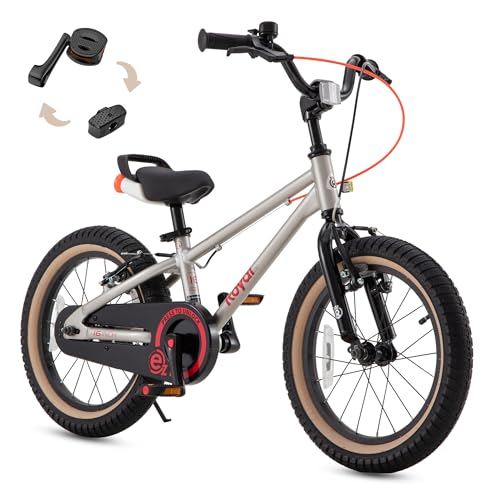
- Converts from balance to pedal mode
- Lightweight aluminum frame
- Includes dual hand brakes and accessories
Best For: Children progressing from balance practice to pedaling
Big-Kid Confidence Pick

- 20-inch balance bike for ages 8+
- Adjustable 21.5–33.1-inch seat
- Optional pedal conversion kit
Best For: Older beginners seeking a stable, convertible balance bike
Best Aluminum Frame Value

- Rust-resistant aluminum frame
- 14-inch air tires for varied terrain
- Adjustable seat and handlebars
Best For: Growing young riders practicing on pavement, grass, or gravel
Best Lightweight Toddler Starter

- Lightweight 7.9-pound steel frame
- 12-inch air tires for a smooth ride
- Tool-free seat adjustment
Best For: Toddlers starting balance practice on everyday outdoor surfaces
Lightweight Skill Builder – Strider 12 Pro
The Strider 12 Pro is a strong aluminum balance bikes choice for young riders who are ready to learn balance before pedaling. Its lightweight frame, adjustable fit, standing footrests, and never-flat foam tires make it practical for everyday learning.
Best For: Toddlers and preschoolers ages 1–5 with a 12–18-inch inseam who need a lightweight, adjustable first balance bike.
Pros:
- Ultralight aluminum frame weighs 5.6 pounds.
- Adjustable seat and handlebars accommodate growing riders.
- Standing footrests support balance and confidence-building practice.
- Never-flat foam rubber tires and included assembly tools add convenience.
Cons:
- Foam tires may not provide the same outdoor feel as inflatable rubber tires.
- The fit is intended for smaller children within the listed inseam range.
With a 60-pound weight capacity and a two-year manufacturer warranty, the Strider 12 Pro offers a simple, lightweight platform for developing early riding skills.
Earliest Starter Ride – woom WOW Baby Balance Bike
The woom WOW is an aluminum balance bikes option designed specifically for babies and toddlers from 9 months to 3 years. Its low saddle, self-centering steering, quiet wheels, and six-pound frame make it approachable for early indoor or outdoor practice.
Best For: Babies and toddlers about 28–40 inches tall who are beginning to stand, steer, and develop coordination.
Pros:
- Lightweight aluminum frame weighs six pounds.
- Low 10.5-inch saddle suits very young riders.
- Self-centering steering helps beginners stay balanced and upright.
- Silent, maintenance-free wheels work indoors and outdoors.
Cons:
- Its 9-month-to-3-year age range limits use as a child grows.
- The compact design may be outgrown sooner than larger balance bikes.
The woom WOW stands out when portability and an early start matter most, especially for families who want a bike that can move quietly from home to the park.
Outdoor Tire Upgrade – bicystar 14-Inch Balance Bike
The bicystar 14-inch model is a larger balance bike for kids ages 3–5 who ride on paved roads and unpaved trails. While its frame is carbon steel rather than aluminum, its rubber air tires offer outdoor grip and a smooth ride, and the adjustable fit can accommodate growth.
Best For: Preschoolers who want inflatable tires, a higher weight capacity, and a balance bike for mixed outdoor terrain.
Pros:
- Inflatable rubber tires provide outdoor grip and indoor rolling comfort.
- Seat and handlebars adjust for growing riders.
- Wide frame supports up to 110 pounds.
- Includes tools and extensive stated frame, tire, and parts coverage.
Cons:
- At 8.5 pounds, it is heavier than several lightweight aluminum models.
- The carbon steel frame does not match the aluminum construction highlighted by the keyword.
- Air tires require inflation and may need more maintenance than foam tires.
Choose the bicystar when tire traction and a generous weight capacity are more important than having an aluminum frame or the lightest possible build.
Compact First Ride – Hape My First Balance Bike
The Hape My First Balance Bike is a compact aluminum balance bike for children from about 1 to 3 years old. Its lightweight aluminum alloy frame, horizontally adjustable seat, and soft TPU foam wheels make it suitable for early balance practice without scratching indoor floors.
Best For: Young toddlers who need a lightweight first ride for indoor or gentle outdoor play.
Pros:
- Lightweight aluminum alloy frame weighs 3.2 pounds.
- Seat adjusts horizontally to help fit the child’s arm length.
- Soft, flexible TPU foam wheels help protect floors.
- Supports balance, direction sense, and muscle coordination.
Cons:
- Maximum weight capacity is 25 kg, and the bike is intended for ages 1–3.
- Adult assembly is required.
- The notes do not specify handlebar height adjustment.
At just 3.2 pounds, the Hape is especially easy for a toddler to handle and for a parent to carry, making it a practical early alternative to larger balance bikes.
Classic Starter – Strider 12 Sport
The Strider 12 Sport is a straightforward choice for families comparing aluminum balance bikes for toddlers. Its balance-first design, adjustable fit, and flat-free tires help beginners practice riding skills without pedals.
Best For: Beginners ages 1–4 who need a lightweight, adjustable first balance bike.
Pros:
- Adjustable seat and handlebars accommodate children with 12–18-inch inseams.
- Flat-free EVA foam tires require no inflation.
- Standing footrests, grippy mini-grips, and a safety pad support early learning.
- Includes the tools needed for assembly.
Cons:
- It has no pedals or braking system.
- The alloy-steel frame is not aluminum.
At 6.7 pounds, this model is manageable for small riders and offers a simple way to develop balance before moving to a pedal bike. The 60-pound weight recommendation also leaves room for extended early use.
First Adventure – Early Rider Super Velio
For parents seeking aluminum balance bikes for very young riders, the Early Rider Super Velio offers an especially lightweight aluminum frame and wheels. Its compact ride-on format is designed to introduce balance and coordination at the earliest stage.
Best For: One-year-olds beginning indoor or paved-surface balance practice.
Pros:
- Aluminum frame and wheels keep the bike relatively lightweight.
- Designed as an introductory balance bike for one-year-olds.
- Portable format works for indoor fun and outdoor exploration.
- Includes two training wheels.
Cons:
- The supplied specifications list an adult age range, which conflicts with the product positioning for one-year-olds.
- It is intended for paved roads rather than broad all-terrain use.
- The 2.8-kilogram weight is heavier than some very small ride-on options.
The Super Velio stands out for its aluminum construction and early-start focus. Before buying, verify the fit and intended age guidance, since the supplied specifications contain inconsistent age information.
Grow-With-Me Pick – RoyalBaby EZ-Pro 2-in-1
The RoyalBaby EZ-Pro is a practical option for families comparing aluminum balance bikes that can continue into pedal-bike riding. Its aluminum frame, tool-free mode conversion, and adjustable seat are designed to reduce the need for an immediate replacement.
Best For: Children ages 3–10 who need a balance-to-pedal bike for paved and urban riding.
Pros:
- Converts from balance mode to pedal mode without tools.
- Lightweight aluminum frame is designed for easier control than steel.
- Seat adjustment and 98% pre-assembled setup simplify ownership.
- Includes dual hand brakes, a bell, kickstand, and reflectors.
Cons:
- At 19.4 pounds for the 16-inch version, it is substantially heavier than toddler balance bikes.
- Its stated terrain is paved roads and urban surfaces, not rough trails.
- The 16-inch configuration is listed for ages 4–7, so sizing should be checked carefully.
This is the most versatile pick of the group for children ready to progress beyond balance practice. The tool-free conversion and frame warranty add convenience, while the larger format makes proper height and size verification important.
Big-Kid Confidence Pick – Strider 20x Convertible
The Strider 20x is an aluminum balance bikes alternative for older beginners who need a stable, low-center-of-gravity platform. Its 20-inch wheels, low stand-over height, and broad seat-height range support balance-first practice for riders ages 8 and up.
Best For: Older beginners and riders who may benefit from a convertible, balance-first design.
Pros:
- Low stand-over height and low center of gravity promote stability.
- Adjustable 21.5–33.1-inch seat height accommodates a wide range of riders.
- Converts to pedal mode with the separately sold Easy-Ride Pedal Kit.
- Includes assembly tools and supports up to 300 pounds according to the supplied product notes.
Cons:
- The pedal conversion kit is sold separately.
- At 25.8 pounds, it is heavier than many toddler balance bikes.
- Its 8+ age recommendation limits its usefulness for younger children.
This is a specialized choice for big kids rather than a typical toddler bike. The adjustable fit and optional pedal conversion make it a practical long-term option for riders who need extra confidence before pedaling.
Best Aluminum Frame Value – Retrospec Cub Plus XL
The Retrospec Cub Plus XL is a practical aluminum balance bikes option for young riders who need a lightweight, adjustable bike for mixed surfaces. Its low step-through frame, air-filled tires, and hand brakes are designed to make early riding more approachable.
Best For: Children ages 2–6 who need an adjustable bike for pavement, grass, and gravel.
Pros:
- Rust-resistant aluminum frame is built for weather and rough play.
- Adjustable 15–21-inch seat and handlebars allow the bike to grow with the rider.
- Wide 14-inch air tires provide traction and cushioning on varied terrain.
- Front and rear V-brakes have adjustable levers sized for small hands.
Cons:
- The 80-pound maximum weight recommendation may limit extended use.
- Its 10.3-pound weight is heavier than some simpler toddler balance bikes.
- The supplied notes describe it as fitting ages 2–6 ideally, while the title emphasizes ages 4–6.
With an aluminum frame and useful fit adjustments, the Cub Plus XL offers a versatile setup for growing children. The hand brakes and pneumatic tires add functionality, especially for families riding beyond smooth sidewalks.
Best Lightweight Toddler Starter – Radio Flyer Air Ride
The Radio Flyer Air Ride is a lightweight balance bike for toddlers and young children, making it a useful alternative to heavier aluminum balance bikes. Its 12-inch air tires, adjustable seat, and low-slip foot grip support comfortable gliding from roughly 18 months through age 5.
Best For: Toddlers beginning balance practice on sidewalks, grass, or gravel.
Pros:
- Lightweight 7.9-pound design is easier for young children to handle.
- 12-inch rubber air tires provide a smooth ride across several surfaces.
- Tool-free adjustable comfort seat supports growth from ages 1.5 to 5.
- Grip tape on the frame creates a no-slip foot area while gliding.
Cons:
- The steel frame is not an aluminum frame.
- It uses a coaster brake rather than hand brakes.
- The 12-inch wheels are aimed at younger riders and may be outgrown sooner.
This is a straightforward starter bike for very young riders who prioritize low weight and a smooth pneumatic-tire ride. Families specifically seeking an aluminum frame should consider another option, but the Air Ride is well suited to early balance practice.
How We Picked the Best Aluminum Balance Bikes
We focused on bikes with lightweight aluminum frames or substantial aluminum construction, then compared the features that matter most in everyday use. Our evaluation considered recommended age and size range, seat-height adjustability, overall weight, wheel and tire design, steering behavior, durability, ease of assembly, and whether the bike supports a later transition to pedals.
Because children develop at different rates, age ranges are only a starting point. A properly fitted bike should let the rider sit comfortably with both feet flat or nearly flat on the ground and maintain a slight bend in the knees.
Quick Comparison
| Best For | Recommended Picks | What to Look For |
|---|---|---|
| Youngest riders | woom Wow, Early Rider Super Velio, Hape My First | Low seat height, stable geometry, light steering |
| Everyday toddler use | Strider 12 Pro, Strider 12 Sport, Radio Flyer Air Ride | Adjustability, manageable weight, durable tires |
| Outdoor riding | bicystar 14 Inch, Retrospec Cub Plus XL | Larger wheels, air tires, suitable ground clearance |
| Balance-to-pedal transition | RoyalBaby EZ-Pro | Secure conversion system and correct wheel size |
| Older children | Strider 20x Convertible | Large frame, longer fit range, age-appropriate controls |
Key Buying Factors for Aluminum Balance Bikes
Fit and Adjustability
Seat height is the most important measurement. Check the manufacturer’s minimum and maximum seat heights against your child’s inseam, not just their age. Adjustable handlebars and seats can extend usable life, but a bike that is too large will be difficult to control.
Weight and Frame Design
A lighter bike is easier for a small child to start, stop, lift, and steer. Aluminum frames can provide a useful balance of low weight and corrosion resistance, but compare the complete bike weight rather than the frame material alone.
Tires and Riding Surface
Foam tires are low-maintenance and work well indoors or on smooth paths. Rubber air tires generally provide more cushioning and traction outdoors, though they require occasional inflation and can puncture.
Brakes, Footrests, and Conversion Features
Most young balance-bike riders brake by placing their feet on the ground, so a hand brake is not always necessary. On larger models, a hand brake can be useful if the child is ready to learn controlled braking. Convertible bikes should have an intuitive, secure switching system and still fit properly in both modes.
Who Should Buy Which Aluminum Balance Bikes?
Choose an infant-focused model for a child under about two who needs a very low, stable first ride. For toddlers and preschoolers, adjustable 12- to 14-inch models offer the most flexible starting point. Select air tires if outdoor comfort and traction matter most, or foam tires for simpler maintenance.
Families seeking long-term value should consider a convertible pedal model only when the child is tall and coordinated enough for its larger frame. Older riders need a substantially bigger bike rather than a small toddler model. Whichever of these Aluminum Balance Bikes you choose, prioritize a correct fit, a properly fastened helmet, and supervised practice on a flat, traffic-free surface.